
Mastering Fabric Mixing: How to Combine Different Textures in Fashion
- Fashion is often associated with colors, patterns, and silhouettes, but one of the most powerful and sometimes overlooked elements is texture. The ability to mix different fabrics effectively can transform a simple outfit into something sophisticated, dynamic, and expressive. Understanding how to combine textures is not just a stylistic skill—it is a way to elevate personal style while maintaining balance and practicality.
At its core, fabric mixing is about contrast. Different materials reflect light, move differently, and interact with the body in unique ways. For example, pairing a rough fabric like denim with a soft material such as silk creates an immediate visual contrast that draws attention without relying on bold colors. This interplay between textures adds depth and dimension to an outfit, making it more interesting and layered.
Balance is the key principle when combining fabrics. If an outfit includes a heavy or structured material like leather or wool, it is often beneficial to pair it with something lighter and more fluid, such as cotton or chiffon. This prevents the outfit from feeling too dense or overwhelming. For instance, a leather jacket worn over a lightweight cotton shirt creates a harmonious look that is both stylish and comfortable.
- Another important consideration is the context in which the outfit will be worn.
While mixing textures can be expressive, it should still align with the setting. In casual environments, combinations like denim and jersey are practical and effortless. In more formal situations, subtle texture variations—such as a wool blazer paired with a silk blouse—can add sophistication without appearing too bold.
Color coordination also plays a significant role in fabric mixing. When working with multiple textures, keeping a cohesive color palette helps unify the look. Neutral tones such as black, white, beige, and gray are particularly effective because they allow the textures to stand out without creating visual clutter. However, more vibrant colors can be incorporated when carefully balanced.
- Layering is one of the most effective techniques for showcasing different fabrics.
By layering garments, you can introduce multiple textures in a structured and intentional way. For example, wearing a knit sweater over a collared shirt and under a structured coat creates a rich combination of textures that remains cohesive. Each layer contributes to the overall aesthetic without overpowering the others.
- Comfort should never be overlooked.
While combining fabrics can enhance visual appeal, the outfit must still feel comfortable and practical. Certain fabrics may not work well together in specific climates—for instance, heavy materials may be unsuitable for warm weather. Choosing breathable combinations ensures that style does not come at the expense of comfort.
What Else Would You Like to Know?
Choose below:
- Accessories can further enhance fabric mixing.
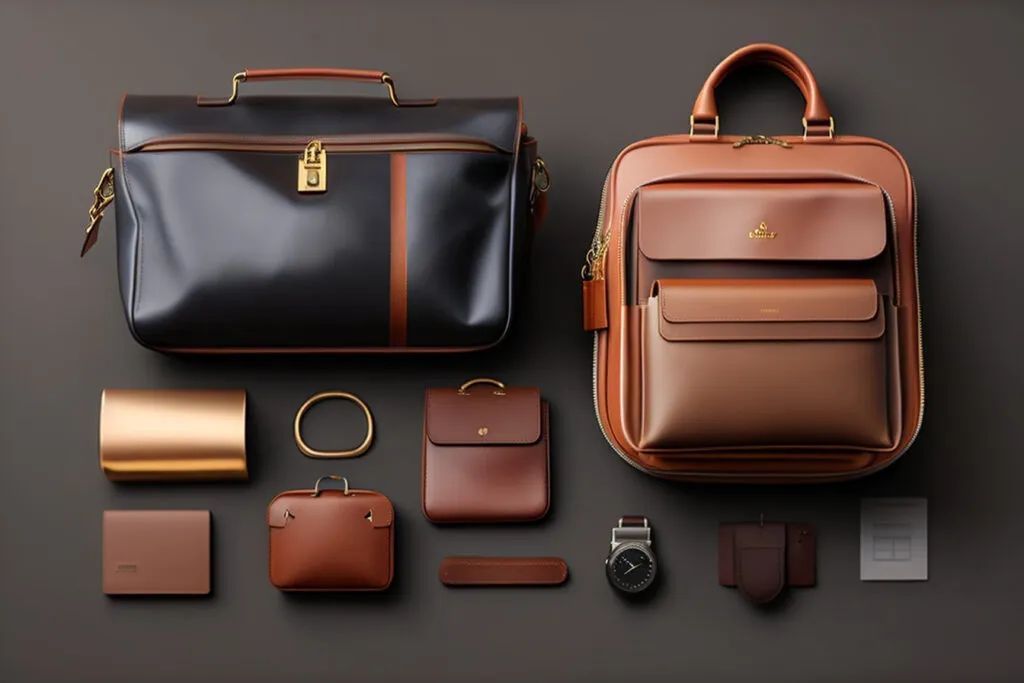
A suede bag, a leather belt, or metallic jewelry can introduce additional textures in subtle ways. These elements help tie the outfit together while reinforcing the overall theme. However, it is important not to overdo it, as too many textures can make the look appear chaotic.
A common mistake when experimenting with fabric mixing is overcomplicating the outfit. While creativity is encouraged, limiting the number of textures to two or three usually results in a more polished appearance. This approach maintains clarity and ensures that each element has its own space to stand out.
Ultimately, mastering fabric mixing is about understanding contrast, balance, and context. It requires a willingness to experiment while remaining mindful of proportion and cohesion. As fashion continues to evolve, the ability to combine different textures effectively will remain a valuable skill, allowing individuals to express their personal style in a refined and creative way.able skill that can transform even the simplest outfits into visually dynamic statements. By focusing on balance, texture contrast, and thoughtful color coordination, it becomes easier to create looks that feel both intentional and effortless. While experimentation is encouraged, maintaining simplicity and comfort ensures that the final result remains wearable and practical. As fashion continues to evolve, understanding how to combine different materials allows individuals to express their personal style in a refined and creative way.
- Conclusion
In conclusion, mastering the art of mixing fabrics is a valuable skill that can transform even the simplest outfits into visually dynamic statements. By focusing on balance, texture contrast, and thoughtful color coordination, it becomes easier to create looks that feel both intentional and effortless. While experimentation is encouraged, maintaining simplicity and comfort ensures that the final result remains wearable and practical. As fashion continues to evolve, understanding how to combine different materials allows individuals to express their personal style in a refined and creative way.
Oversized and Cropped Clothing: How to Style Loose and Short Pieces with Confidence
» See exclusive tips for your home